
This company has no active jobs
0 Review
Rate This Company ( No reviews yet )

Ielts Certificate Without Exam
About Us
20 Things You Should To Ask About IELTS Certificate Before You Purchase IELTS Certificate
Understanding the IELTS Certificate: Your Gateway to Global Opportunities
The International English Language Testing System (Purchase ielts certificate) is a worldwide acknowledged English language proficiency test developed for non-native English speakers. It is accepted by over 10,000 organizations worldwide, including universities, employers, migration authorities, and professional bodies. The IELTS certificate is an important file for people intending to study, work, or migrate to English-speaking countries. This detailed guide looks into the complexities of the IELTS test, its structure, scoring, and the significance of the IELTS certificate in various contexts.
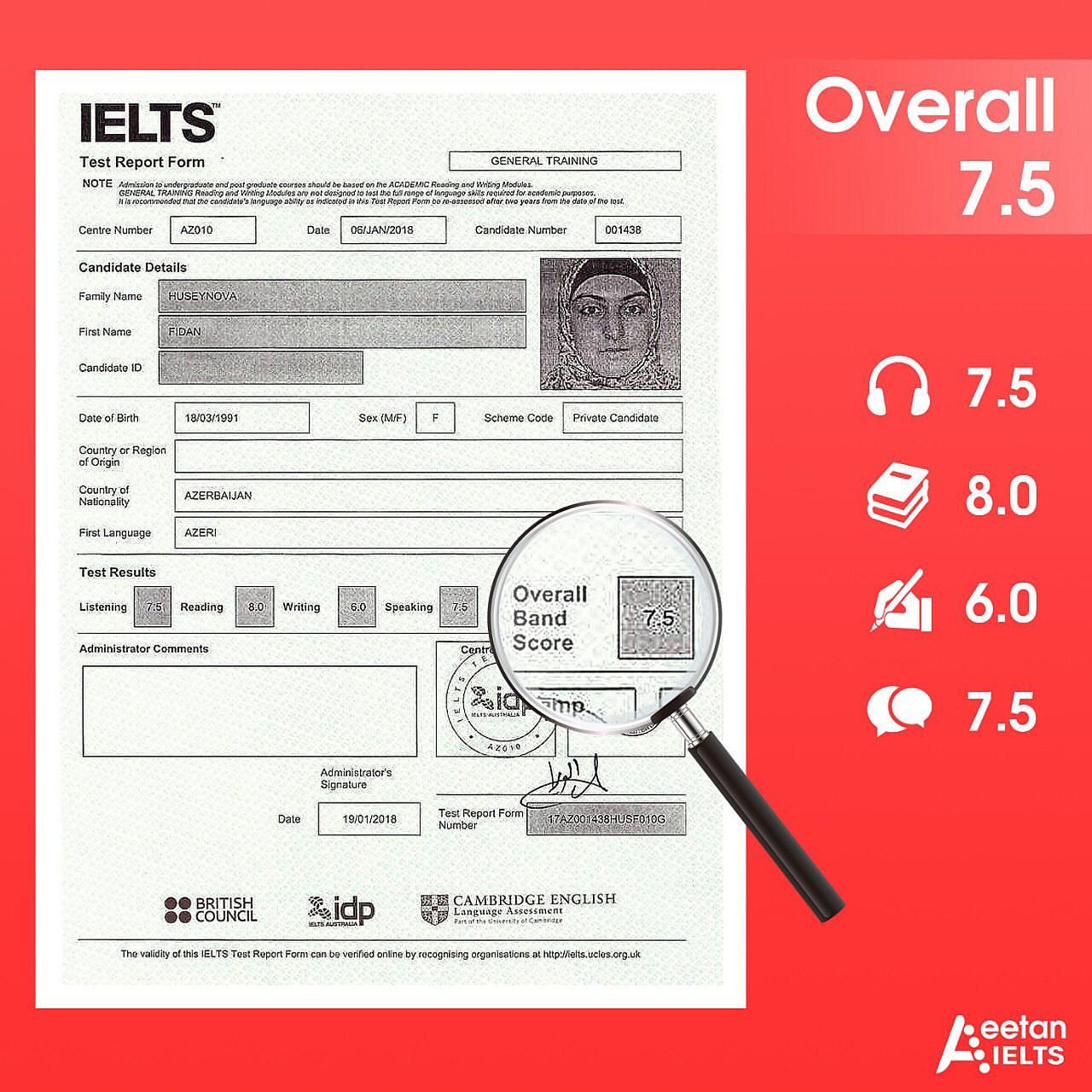
What is the IELTS Test?
The IELTS test evaluates a candidate’s capability to interact efficiently in English across 4 key locations: Listening, Reading, Writing, and Speaking. It is available in 2 formats: Academic and General Training.
- Academic IELTS: This variation appropriates for people who wish to study at undergraduate or postgraduate levels in English-speaking countries or look for expert registration.
- General Training IELTS: This format is aimed at those who are preparing to carry out non-academic training or work experience, or migrate to an English-speaking country.
Structure of the IELTS Test
The IELTS test is designed to be completed over a single day, with the Speaking test potentially scheduled on a different day. Here is a detailed breakdown of each area:
-
Listening (30 minutes):
- Format: Candidates listen to four recorded texts and respond to 40 questions.
- Function: To assess the capability to understand spoken English, consisting of discussions, monologues, and discussions.
-
Checking out (60 minutes):
- Academic: Three long texts of increasing problem, taken from books, journals, publications, and papers.
- General Training: Three areas with texts of differing lengths and styles, consisting of notifications, ads, and posts.
- Function: To assess reading understanding and the ability to identify and comprehend essential information.
-
Composing (60 minutes):
- Academic: Two jobs. Task 1 includes describing a chart, table, chart, or diagram. Task 2 requires composing an essay in response to a viewpoint, argument, or problem.
- General Training: Two tasks. Job 1 includes composing a letter inquiring or describing a circumstance. Task 2 needs composing an essay.
- Function: To evaluate the capability to write in a clear, meaningful, and structured manner.
-
Speaking (11-14 minutes):
- Format: A face-to-face interview with a licensed IELTS inspector, divided into three parts.
- Part 1: Introduction and interview (4-5 minutes).
- Part 2: Long turn (3-4 minutes), where the prospect discusses a provided subject.
- Part 3: Discussion (4-5 minutes) on the subject from Part 2.
- Function: To examine spoken English skills, including fluency, coherence, and pronunciation.
Scoring System
The IELTS test is scored on a scale of 0 to 9, with 9 being the greatest. Each area (Listening, Reading, Writing, and Speaking) is scored individually, and these ratings are balanced to produce a general band score. The scoring criteria for each area are as follows:
- Listening and Reading: Each appropriate answer is granted one mark. The total score is then transformed to the IELTS 9-band scale.
- Composing: Assessed based upon Task Achievement/Task Response, Coherence and Cohesion, Lexical Resource, and Grammatical Range and Accuracy.
- Speaking: Evaluated on Fluency and Coherence, Lexical Resource, Grammatical Range and Accuracy, and Pronunciation.
Significance of the IELTS Certificate
The IELTS certificate is an important document that opens doors to numerous opportunities:
-
Higher Education:
- Universities and colleges in English-speaking nations frequently require IELTS scores for admission.
- The Academic IELTS is particularly crucial for protecting a location in degree programs.
-
Professional Registration:
- Many professional bodies, such as medical and legal associations, need IELTS ratings for subscription and licensing.
- The Academic IELTS is typically the preferred version for these purposes.
-
Immigration and Visa Applications:
- Governments of nations like Australia, Canada, and the UK typically require IELTS scores as part of the migration procedure.
- The General Training IELTS is more commonly utilized for visa applications and work authorizations.
-
Employment:
- Employers in lots of industries value IELTS ratings as a step of English proficiency.
- The General Training IELTS is typically sufficient for a lot of occupational purposes.
How to Obtain an IELTS Certificate
-
Register for the Test:
- Visit the official IELTS site to discover a test center and select a hassle-free date.
- Complete the registration type and pay the test cost.
-
Get ready for the Test:
- Utilize official IELTS practice materials and resources.
- Consider registering in a preparation course or working with a tutor.
-
Take the Test:
- On the test day, reach the test center with the required identification.
- Follow the instructions supplied by the test administrator.
-
Get Your Results:
- Test outcomes are normally available within 13 calendar days.
- The IELTS Test Report Form (TRF) is sent to the candidate and any organizations or organizations they have nominated.
Frequently asked questions About the IELTS Certificate
Q: How long is the IELTS certificate valid?
- A: The IELTS certificate is generally legitimate for two years, although some companies may accept scores older than this duration if they can validate the candidate’s present English proficiency.
Q: Can I retake the IELTS test?
- A: Yes, candidates can retake the IELTS test as numerous times as they want, however they should wait a minimum of 90 days in between test attempts.
Q: What score do I need for university admission?
- A: The necessary score differs by organization and program. Generally, a score of 6.5 or higher is typical for undergraduate programs, while 7.0 or greater is frequently needed for postgraduate studies.
Q: Is the IELTS test accepted in the USA?
- A: Yes, over 3,400 institutions in the USA accept IELTS ratings. However, some universities might also require TOEFL ratings.
Q: How can I prepare for the IELTS test?
- A: To prepare effectively:
- Practice with Official Materials: Use the official IELTS practice tests and sample questions.
- Take Mock Tests: Simulate the test environment to evaluate your readiness.
- Enhance Your English Skills: Focus on all four areas– listening, reading, composing, and speaking.
- Join a Preparation Course: Consider registering in a course to get structured assistance and feedback.
Q: What should I give the test center?
- A: Bring a legitimate form of recognition (typically a passport) and any additional files as specified by the test center. Prevent bringing unnecessary products like mobile phones or personal valuables.
Tips for Success
-
Acquaint Yourself with the Format:
- Understand the structure and timing of each area to handle your time efficiently during the test.
-
Practice Regularly:
- Consistent practice is crucial to improving your abilities and developing self-confidence.
-
Boost Your Vocabulary:
- A rich vocabulary is necessary for both the Writing and Speaking sections.
-
Seek Feedback:
- Get feedback from tutors or peers to determine locations for improvement.
-
Stay Calm and Focused:
- Stress management is important. Guarantee you get a great night’s sleep before the test and get here early to avoid hurrying.
The IELTS certificate is more than simply a piece of paper; it is a testament to your English language skills and a gateway to a world of opportunities. Whether you are pursuing higher education, professional registration, immigration, or work, the IELTS test supplies a standardized and acknowledged way to demonstrate your efficiency in English. By comprehending the test format, preparing diligently, and remaining focused, you can accomplish the ratings you need to prosper.
For those aiming to take the next action in their academic or expert journey, the IELTS certificate is an invaluable asset. Embrace the challenge, and let your effort and commitment pave the method to a brighter future.