This company has no active jobs
0 Review
Rate This Company ( No reviews yet )

Cookers And Ovens
About Us
Fan Oven Sale: The Secret Life Of Fan Oven Sale
Understanding Kitchen Ovens and Hobs: A Comprehensive Guide
The kitchen is typically referred to as the heart of the home, and for good reason. It is where households come together, meals are prepared, and memories are created. Central to this cooking haven are 2 important home appliances: the kitchen oven and the hob. Comprehending their functions, types, and functionalities is important for efficient cooking and can significantly boost a home chef’s experience. This post will explore the world of kitchen ovens and hobs, analyzing their various types, advantages, and ideas for making informed choices.
Tabulation
- Introduction to Kitchen Ovens
- Kinds of Ovens
- Conventional Ovens
- Convection Ovens
- Microwave Ovens
- Steam Ovens
- Understanding Hobs
- Kinds of Hobs
- Gas Hobs
- Electric Hobs
- Induction Hobs
- Advantages of Using Ovens and Hobs
- Choosing the Right Oven and Hob for Your Kitchen
- Upkeep Tips for Ovens and Hobs
- FAQs
- Conclusion
1. Intro to Kitchen Ovens
Ovens are vital home appliances in modern-day kitchen areas. They supply a regulated environment for baking, roasting, and broiling food. With numerous designs and performances, picking the ideal oven can dramatically impact cooking times, food texture, and flavor.
2. Kinds of Ovens
Conventional Ovens
Standard ovens are the most common type discovered in homes. They use either electric or gas power to heat the interior and typically include a single cooking area.
Benefits:
- Versatile for baking, roasting, and broiling.
- Typically affordable.
Convection Ovens
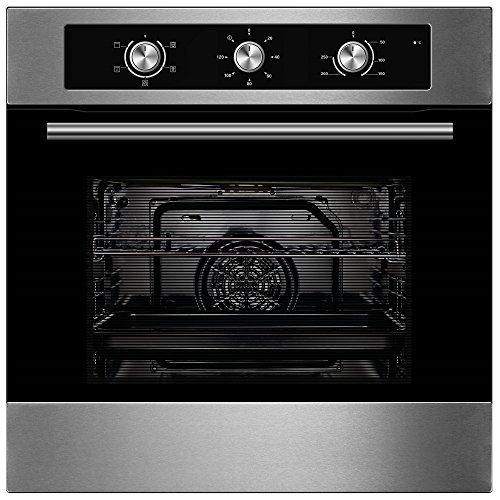
Stove resemble traditional ovens but come equipped with a fan that flows hot air throughout the cooking chamber. This leads to even cooking and browning.
Advantages:
- Reduced cooking times due to improved airflow.
- Boosted browning and crisping of foods.
Microwave Ovens
Microwave use electro-magnetic radiation to heat food quickly, making them hassle-free for defrosting and reheating leftovers.
Advantages:
- Very quick cooking times.
- Energy effective.
Steam Ovens
Steam ovens utilize steam to cook, preserving the moisture and nutrients in food. They are particularly popular among health-conscious cooks.
Advantages:
- Healthier cooking option.
- Keeps minerals and vitamins in food.
3. Comprehending Hobs
Hobs, likewise referred to as cooktops, are the flat surface areas on which pots and pans are positioned to prepare food. They can be integrated into kitchen countertops and are offered in numerous designs, fuel types, and styles.
4. Kinds of Hobs
Gas Hobs
Gas hobs uk – www.carroldalziel.top, utilize burner as their heat source, providing instantaneous heat and exact temperature level control.
Benefits:
- Excellent control over cooking heat.
- Usually less expensive to operate than electric ones.
Electric Hobs
Electric hobs heat utilizing electric coils or glass surfaces. They might take longer to warm up than gas, however they offer a smooth cooking surface and are easier to clean up.
Advantages:
- Even heat distribution.
- Safe, as there’s no open flame.
Induction Hobs
Induction hobs utilize electromagnetic energy to directly heat up pots and pans. They require compatible pots and pans and deal immediate responsiveness.
Advantages:
- Highly energy-efficient.
- Faster cooking times and exact temperature control.
5. Benefits of Using Ovens and Hobs
Both ovens and hobs included their own unique set of advantages that can improve any cooking experience. Here are a few crucial advantages:
- Diverse Cooking Options: Both devices permit a variety of cooking techniques including boiling, frying, roasting, baking, and steaming.
- Time Efficiency: Modern ovens and hobs frequently feature quick cooking settings, which save time in the kitchen.
- Accuracy Cooking: With sophisticated functions, users can accomplish much better lead to temperature level control and cooking times.
6. Choosing the Right Oven and Hob for Your Kitchen
When selecting the ideal oven and hob, numerous aspects must be considered:
- Size: Ensure that the home appliance fits easily in your kitchen space.
- Cooking Style: Consider what types of food you frequently prepare.
- Fuel Type: Whether gas or electric, consider schedule and efficiency in your location.
- Budget: Determine your budget and find home appliances that fulfill your needs within that variety.
List for Choosing Your Oven and Hob:
- Assess kitchen space.
- Recognize your cooking choices.
- Determine source of power availability.
- Compare features and specs.
- Set a spending plan range.
7. Upkeep Tips for Ovens and Hobs
Routine maintenance is essential for keeping ovens and hobs in optimum condition. Here are some maintenance tips:
- Clean Regularly: Wipe down surface areas after each usage and deep tidy periodically.
- Examine Seals: For ovens, inspect door seals to ensure they are airtight.
- Take a look at Burners: For gas hobs, keep burners totally free of food particles to maintain effective heating.
- Replace Filters: If your oven has a filter, replace it as recommended by the manufacturer.
8. Frequently asked questions
1. What is the distinction between a standard oven and a convection oven?Conventional ovens
prepare food through convected heat, while convection ovens distribute hot air, resulting in faster and more even cooking. 2. Do induction hobs require special cookware?Yes,
induction hobs need ferrous pots and pans that can being magnetized to work efficiently. 3. Are steam ovens worth the investment?For health-conscious individuals or those who frequently prepare vegetables and delicate foods, steam ovens can be worth the financial investment
due to their ability to retain nutrients. 4. Can I combine an oven and hob into one unit?Yes, numerous producers use combined units called range cookers, which integrate both an oven
and hob into a single device. 9. Conclusion Kitchen ovens and hobs are important components of any cooking space, each offering special functions and performances matched for various cooking styles.
By comprehending the
kinds of ovens and hobs readily available, their benefits, and how to preserve them, home chefs can cultivate a more efficient and satisfying cooking experience. Whether one is a seasoned cook or a newbie, making notified choices about these important kitchen appliances is vital.